

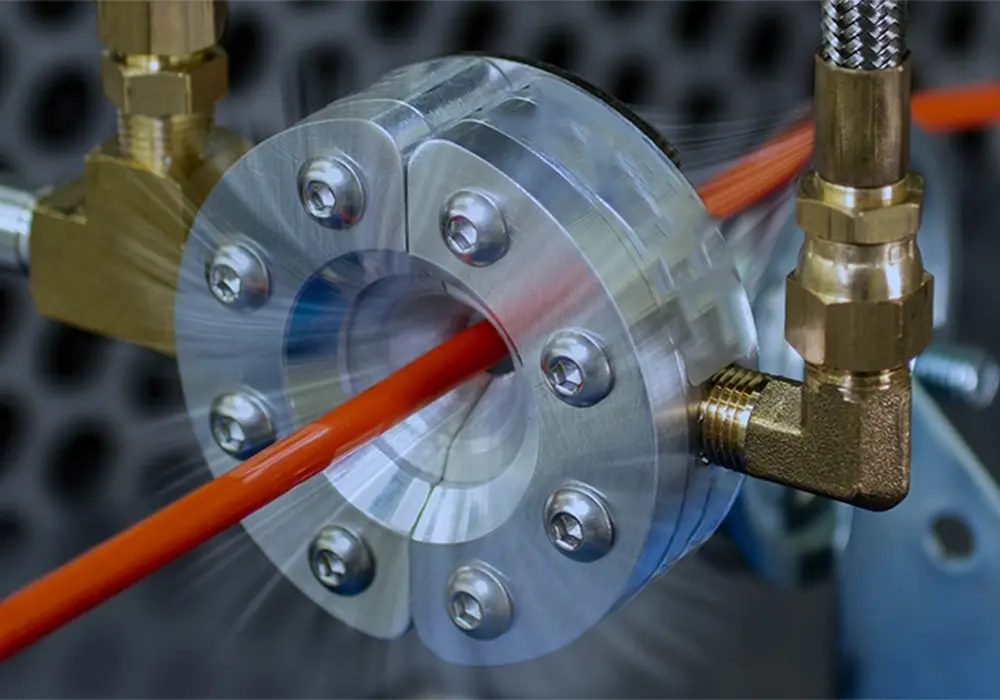
Fiber optic cable production includes wet stages even though the finished product must leave the line clean and dry. A freshly extruded loose tube or outer jacket commonly passes through water cooling. At the e...
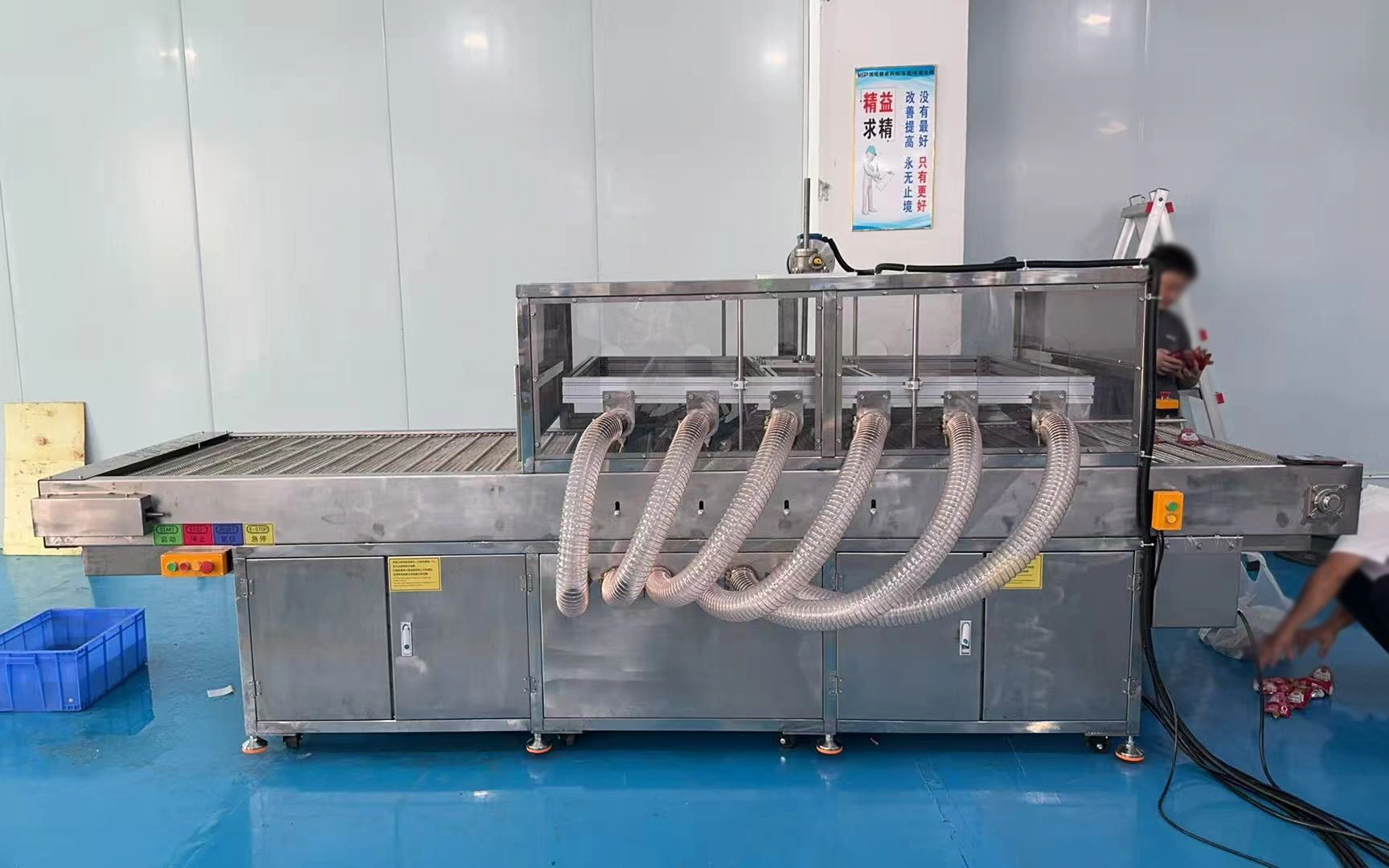
A customer in Mongolia purchased a conveyor-based air knife drying solution from Shenzhen Qixingyuan Machinery Equipment Co., Ltd. (QXY). The project record includes a photograph of the customer’s existing line...
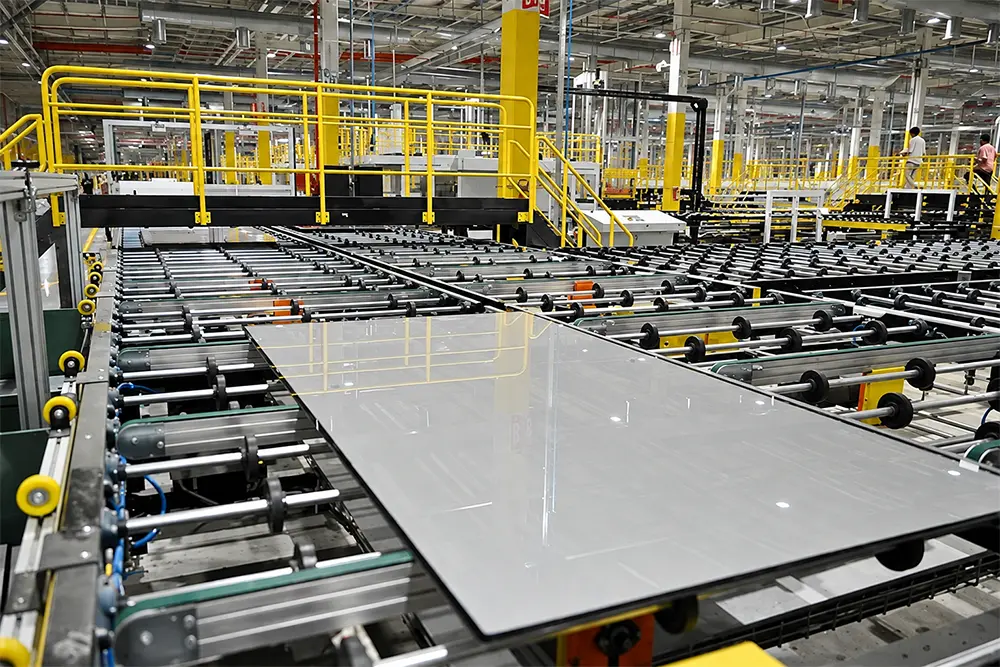
Ceramic tiles can leave washing, polishing, calibration, edge grinding, or surface cleaning with water on the face, edges, and back. The top may look dry while a groove, chamfer, rib, or conveyor contact point ...
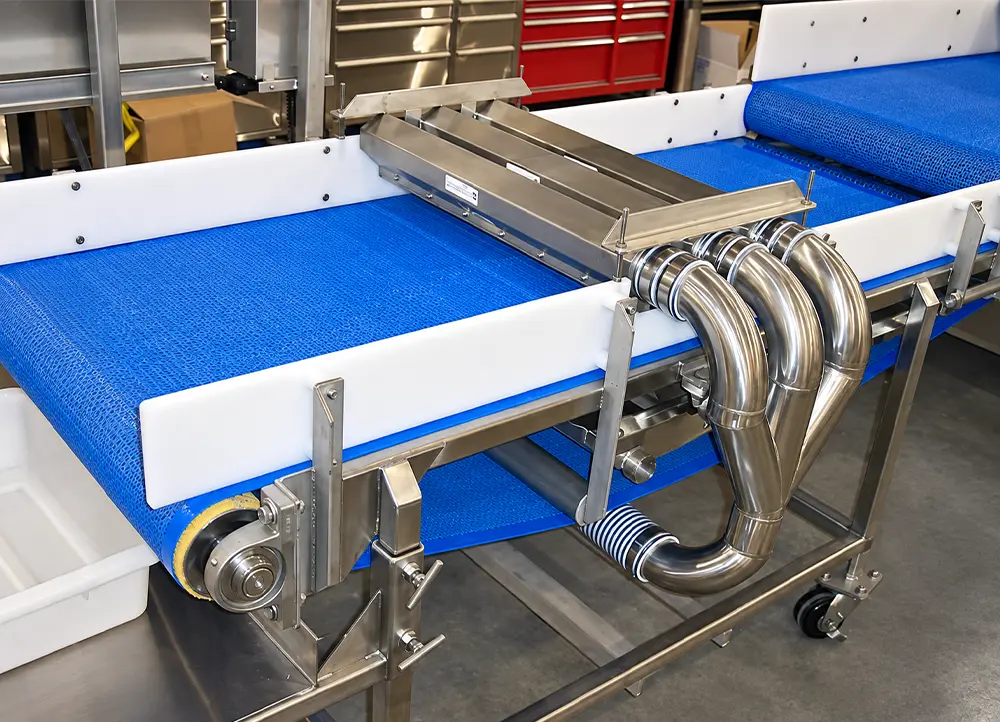
Yes, but only when wet conveyor surfaces are on the startup critical path. If the next shift is waiting for the belt to dry before pre-operation inspection, reassembly, or product release, an Air Knife for conv...
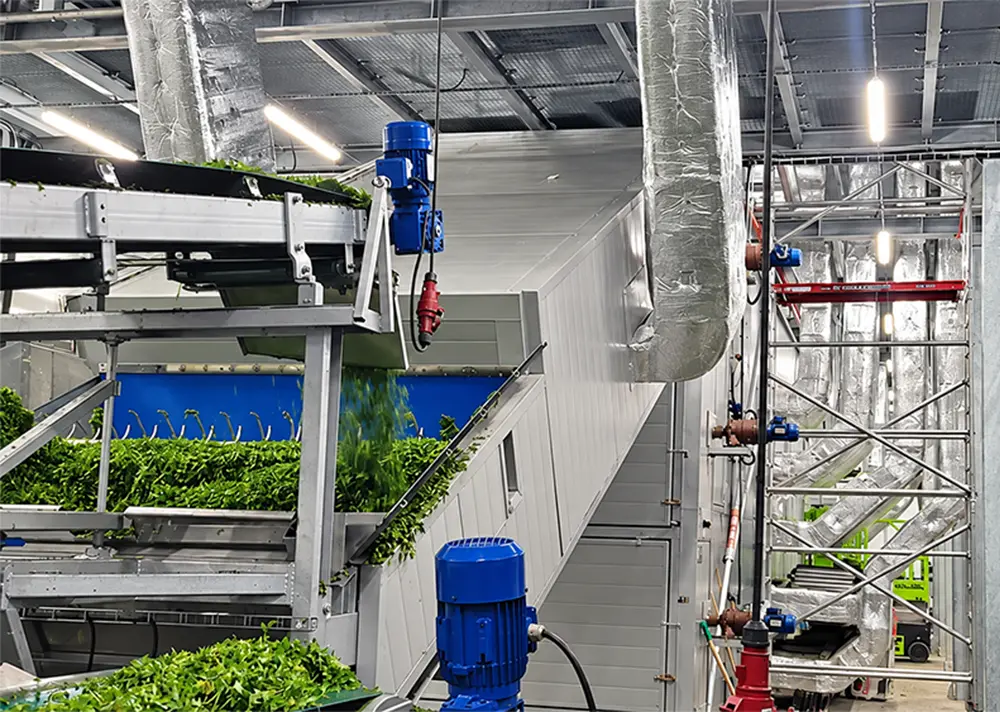
Leafy vegetables leave a wash system with water on flat surfaces, inside curls, around stems, and between overlapping leaves. Removing it reduces package fog, clumping, ingredient dilution, and drip. Yet spinac...
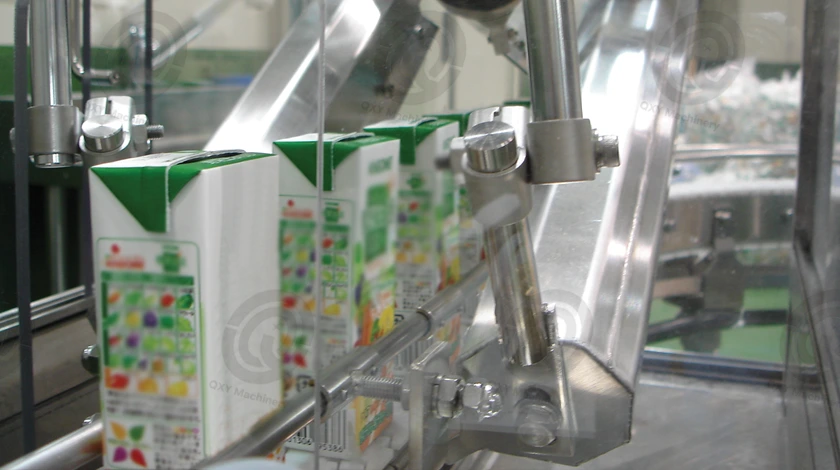
Water appears in almost every dairy plant: container rinsing, equipment washdown, crate washing, chilled-room condensation, and product splash. The problem is not simply that a surface is wet. Water can weaken ...
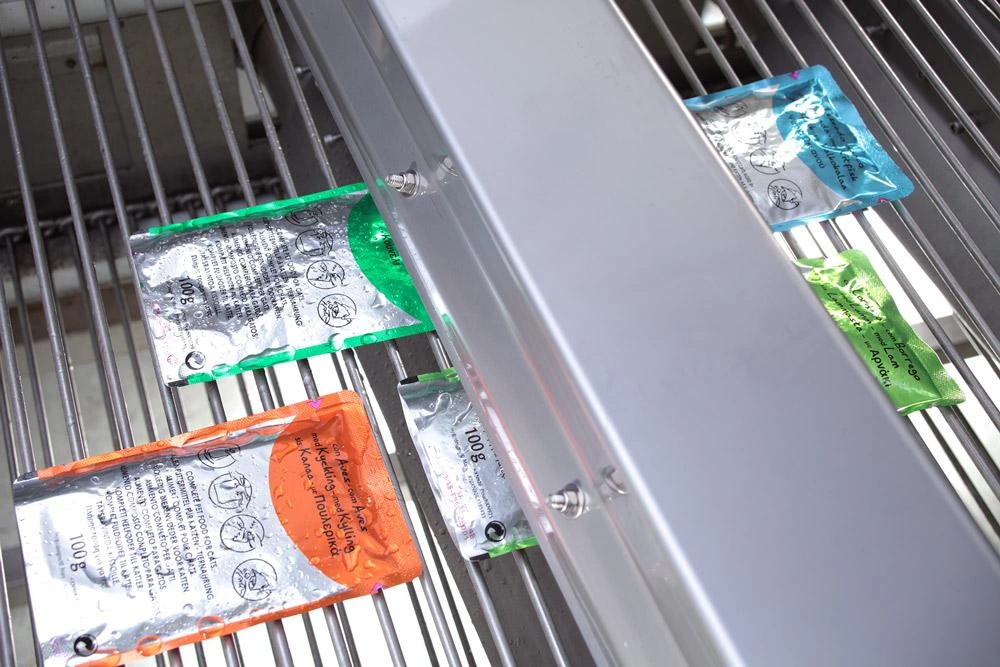
A food plant does not judge equipment only by what happens during production. The harder test comes after the line stops. Foam, alkaline cleaner, sanitizer, hot rinse water, humidity and repeated inspection all...
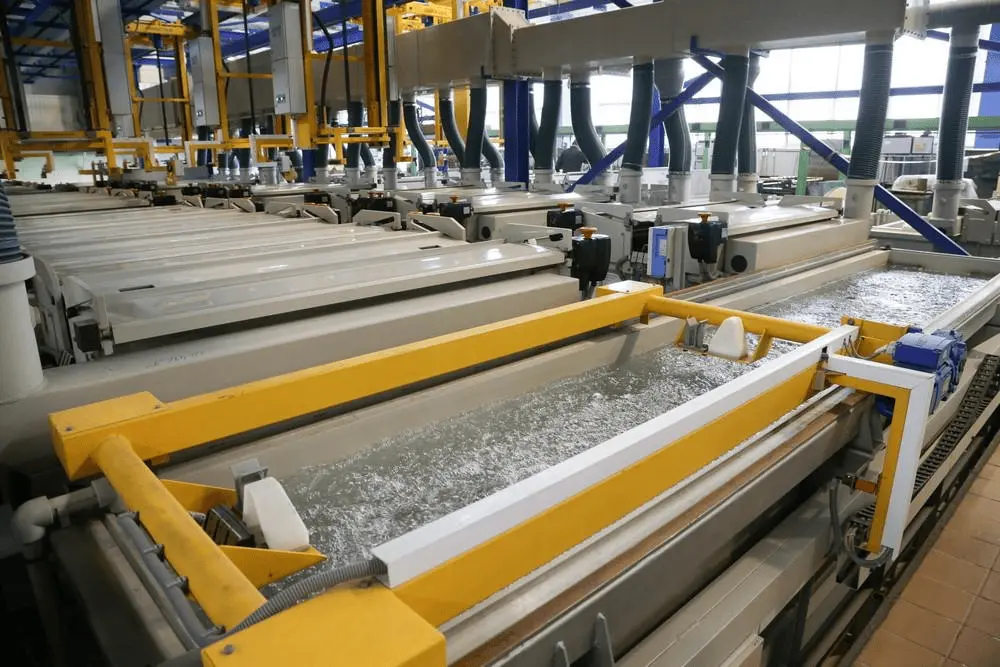
Chemical waste often begins as a thin film on a part. The liquid leaves a cleaner, acid, etchant, plating bath, conversion stage, or rinse and travels forward on the product, rack, basket, sheet, or conveyor. O...

Shenzhen Qixingyuan Machinery Equipment Co., Ltd.
info@airknifecn.com
Building 8, Wanfeng Third Industrial Zone, Xinqiao Street, Bao'an District, Shenzhen, Guangdong, China


