

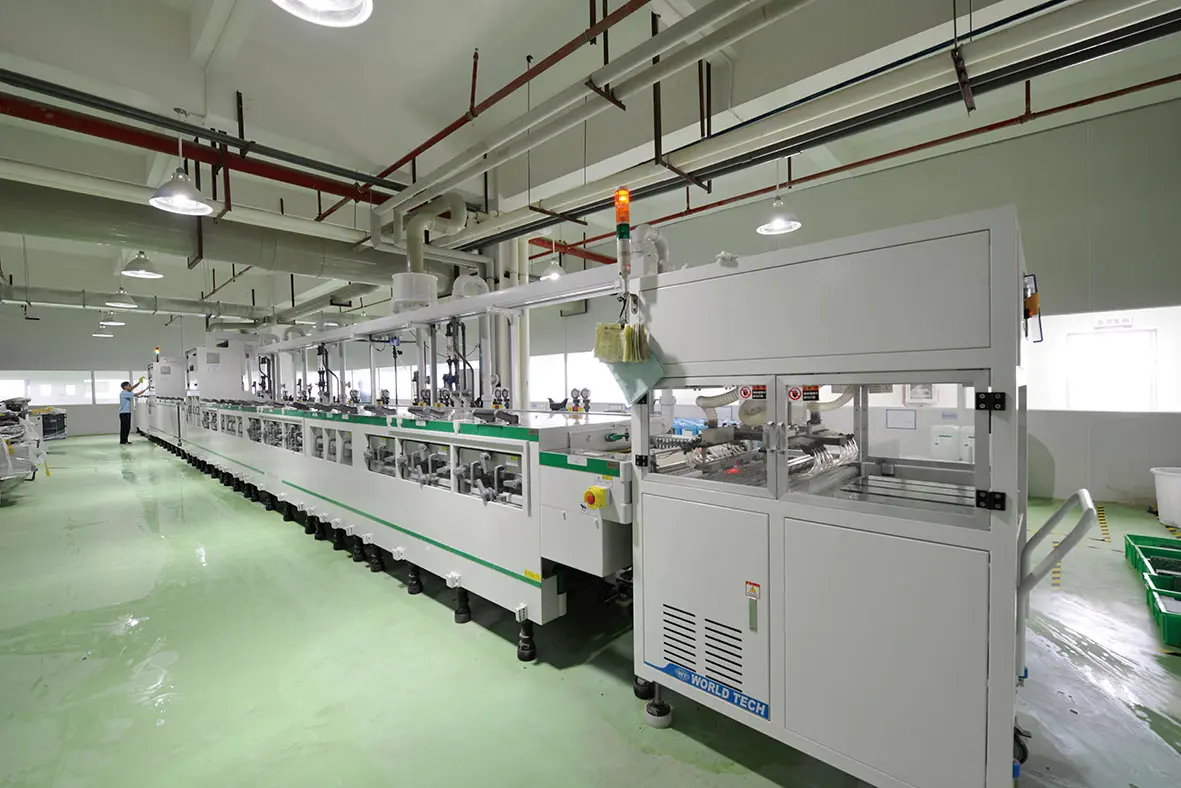
PCB wet processing can place an air knife beside developers, etchants, strippers, desmear chemistry, plating solutions, micro-etches, cleaners, and multiple rinses. TheAir knife may see direct splash at one sta...
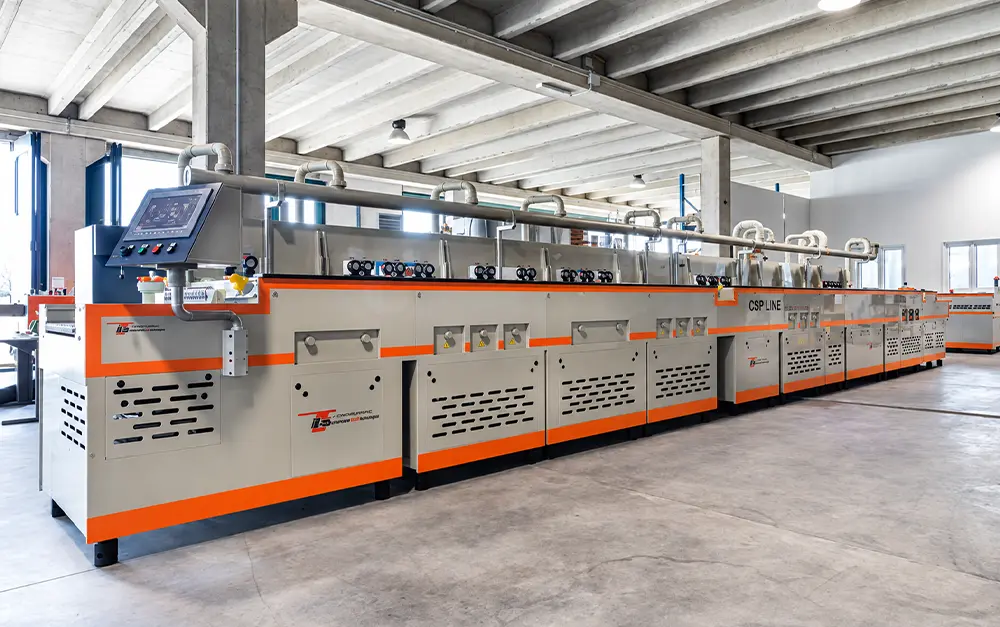
A continuous wet bench is a connected process, not a row of independent tanks. Product speed, spray pressure, roller condition, drain capacity, exhaust, chemistry, and controls all influence what reaches the ai...
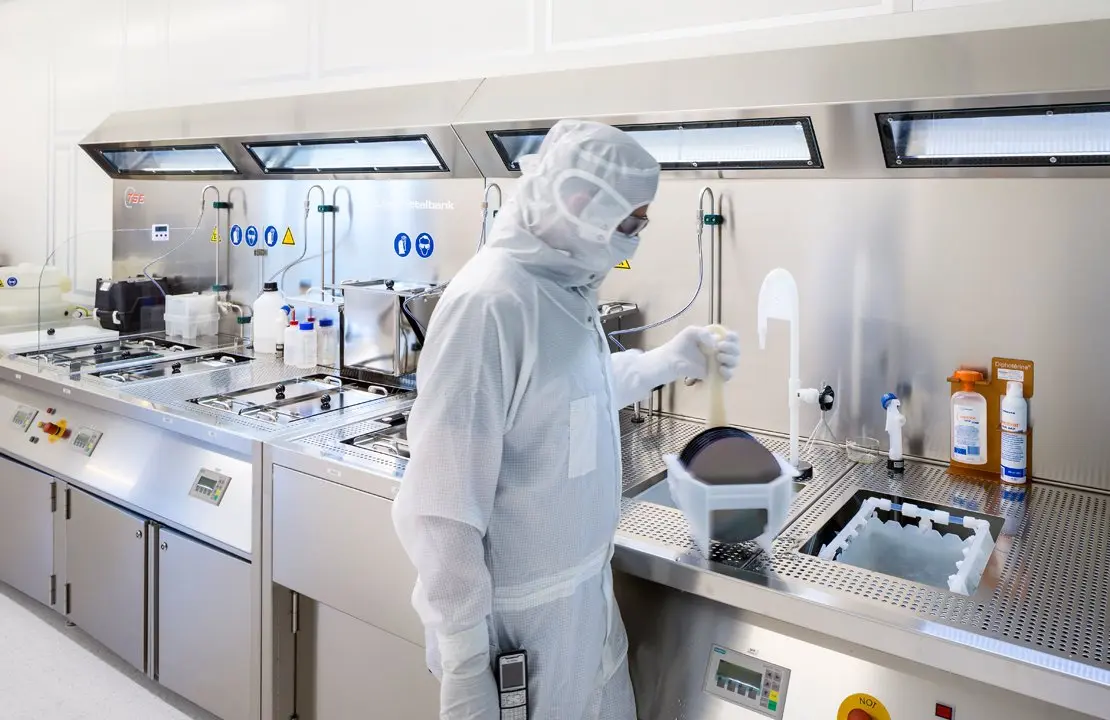
Semiconductor cleaning removes particles, organic material, metals, process chemicals, and other residues from a sensitive surface. Drying is not a separate housekeeping step. It is the final part of that conta...
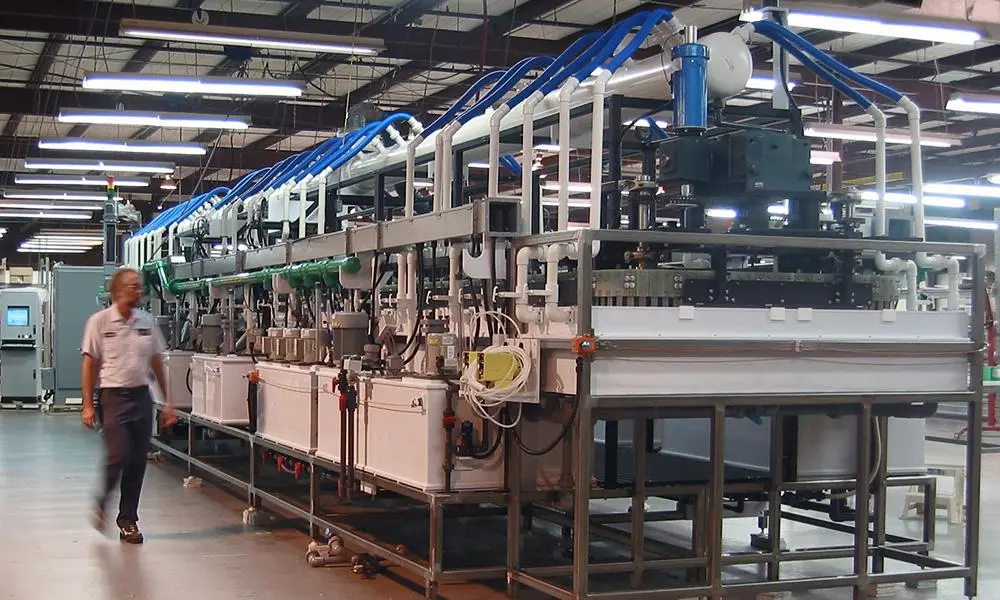
A rigid printed circuit board normally stays flat enough for a fixed Air Knife gap. A flexible printed circuit can lift, flutter, curl, wrinkle, or touch a guide when the same air jet reaches it. That mechanica...
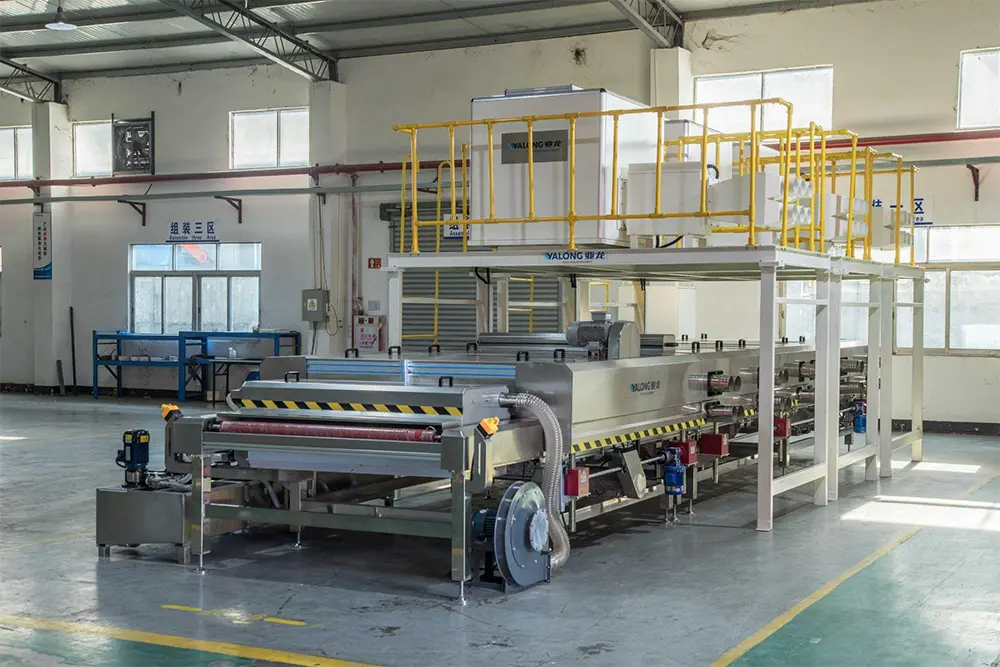
Solar panel glass may pass through washing after cutting, edge grinding, drilling, tempering, or handling and before antireflective coating, screen printing, lamination, inspection, or packaging. Each downstrea...
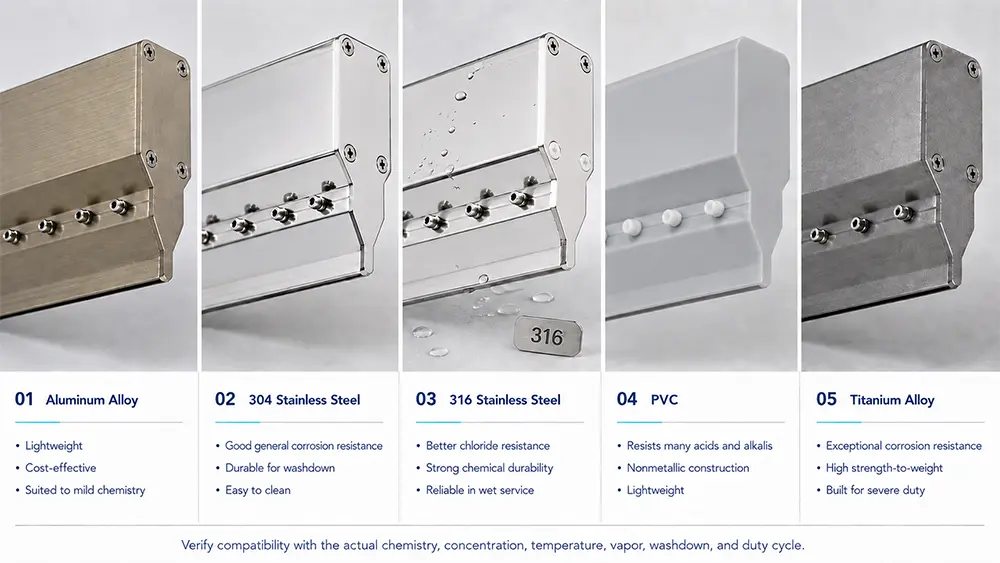
Material selection is not a choice between “metal” and “plastic.” A chemical-resistant air knife must survive the actual solution, concentration, temperature, splash pattern, vapor, washdown method, and product...
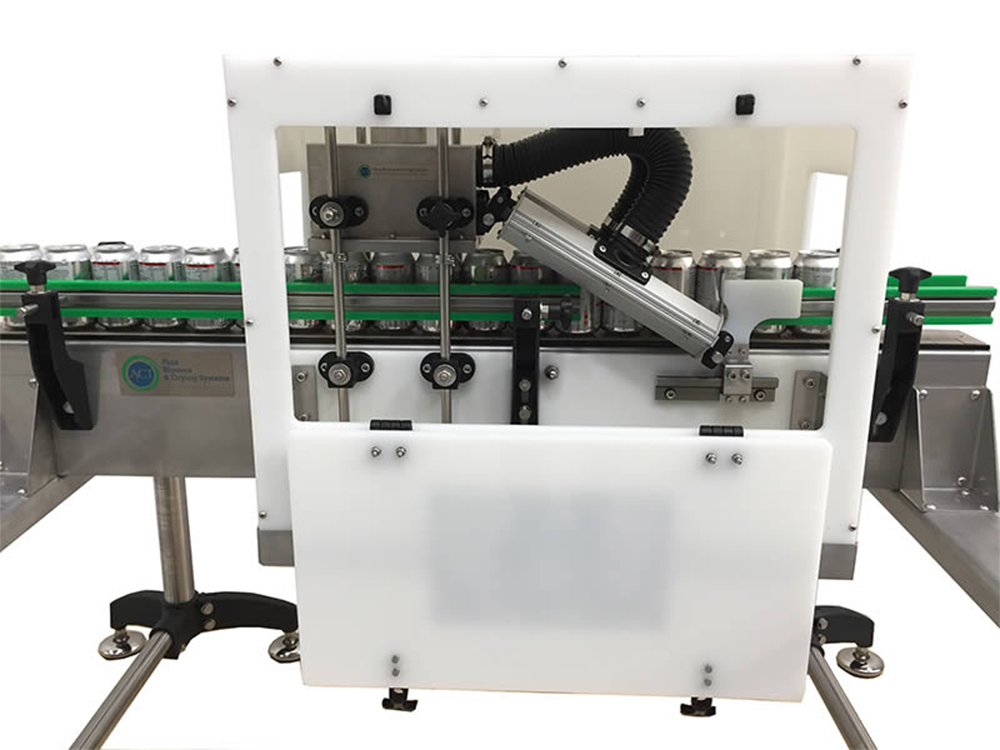
Wash solution leaves a tank on every wetted part, rack, basket, hook, and fixture. Some drains back immediately. The rest travels toward the rinse, floor, exhaust, or wastewater system. This drag-out removes us...
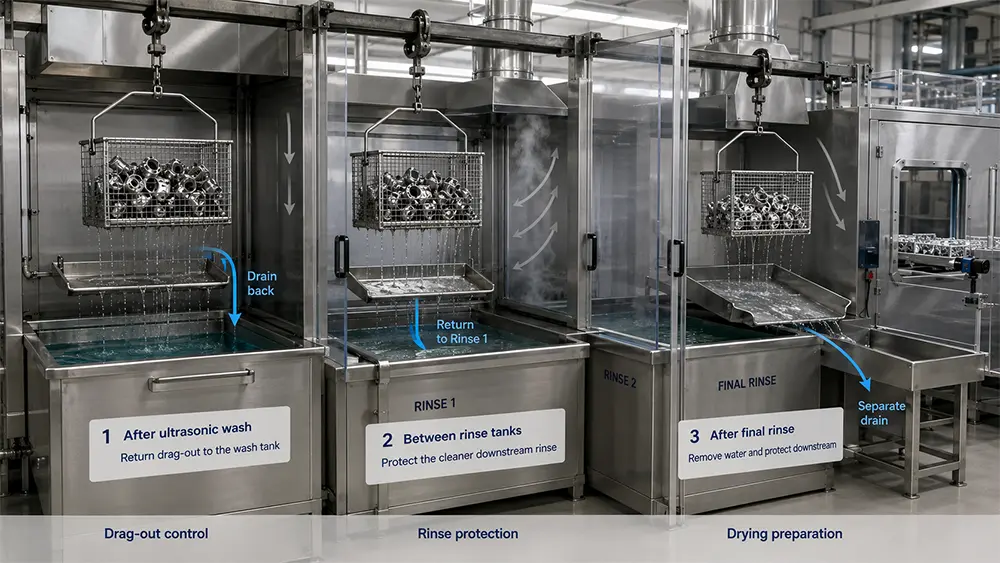
Air knife placement after an ultrasonic cleaning tank is not a single distance or angle. The correct position depends on what happens next. A knife between the wash tank and the rinse tank should push cleaning ...

Shenzhen Qixingyuan Machinery Equipment Co., Ltd.
info@airknifecn.com
Building 8, Wanfeng Third Industrial Zone, Xinqiao Street, Bao'an District, Shenzhen, Guangdong, China


