

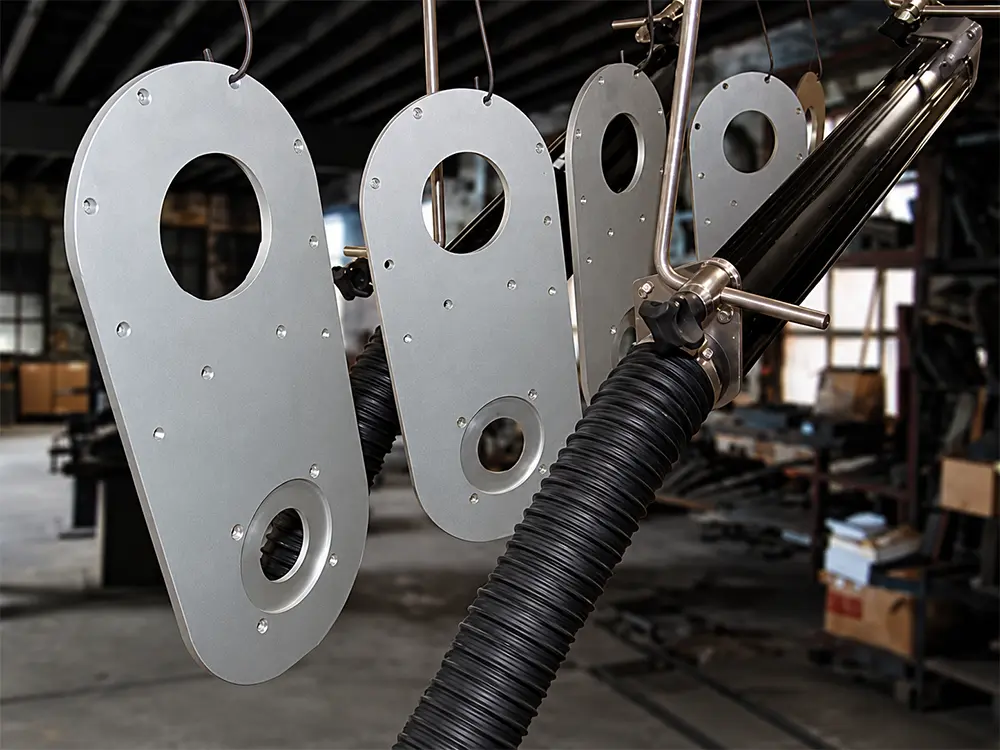
A finishing line can clean, rinse, plate, pickle, passivate, phosphate, or anodize at the planned rate, then lose capacity at drying. Racks queue after final rinse. Conveyor speed drops because one recess stays...
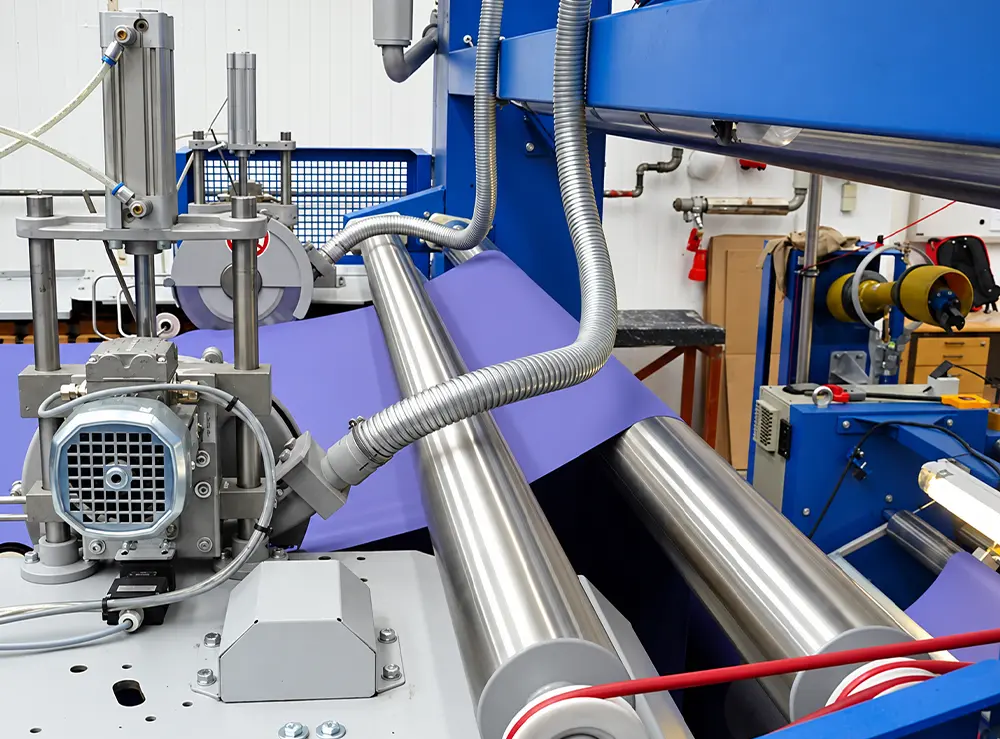
A fabric web can reach a coating head with the “right” average moisture and still cause trouble. One edge may be wetter. A stripe may repeat with every squeeze-roll revolution. Once coating is applied, those di...
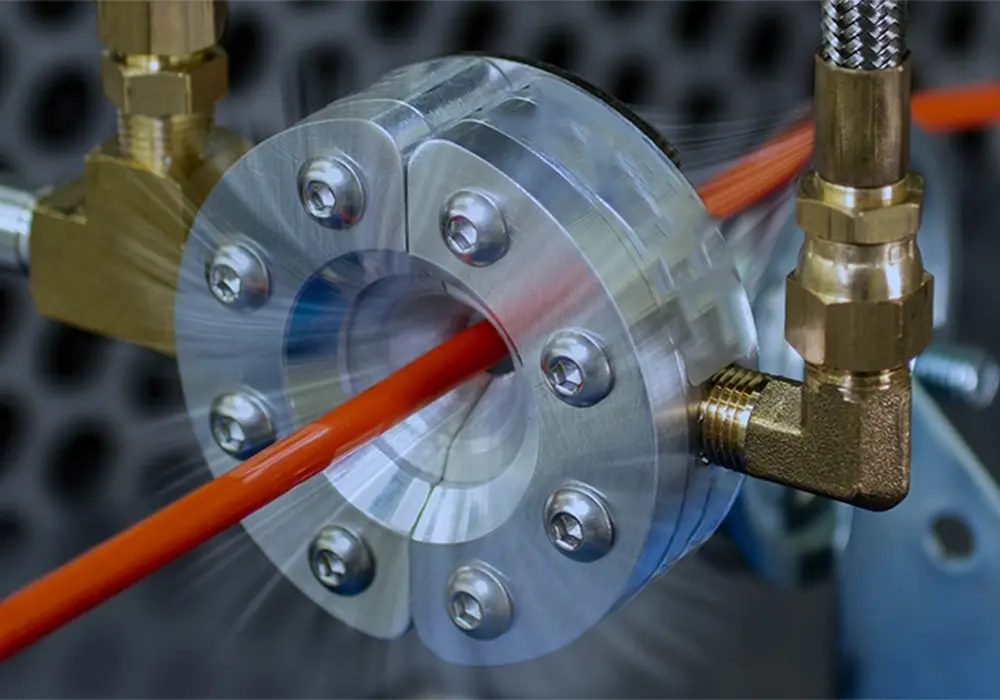
Fiber optic cable production includes wet stages even though the finished product must leave the line clean and dry. A freshly extruded loose tube or outer jacket commonly passes through water cooling. At the e...
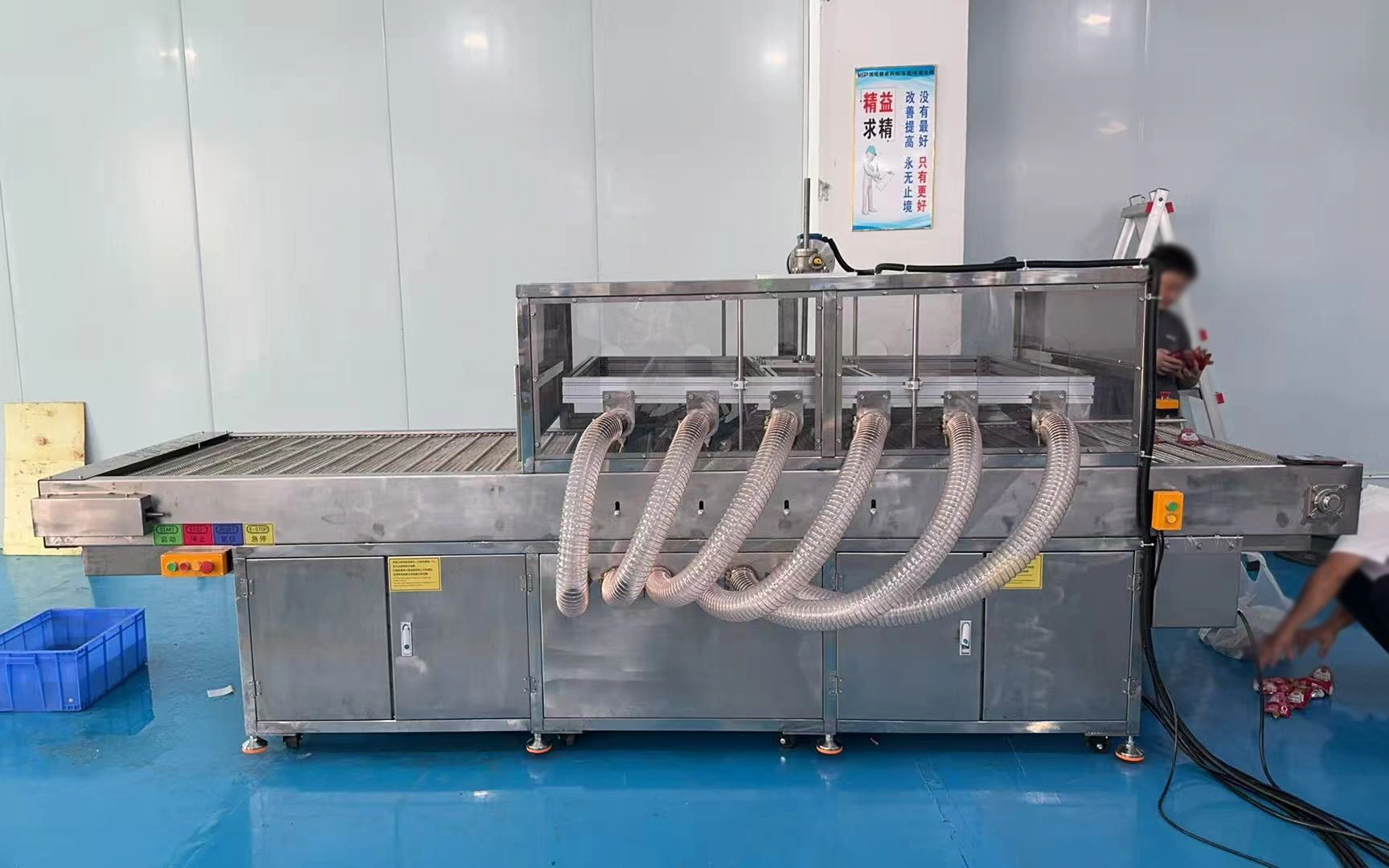
A customer in Mongolia purchased a conveyor-based air knife drying solution from Shenzhen Qixingyuan Machinery Equipment Co., Ltd. (QXY). The project record includes a photograph of the customer’s existing line...
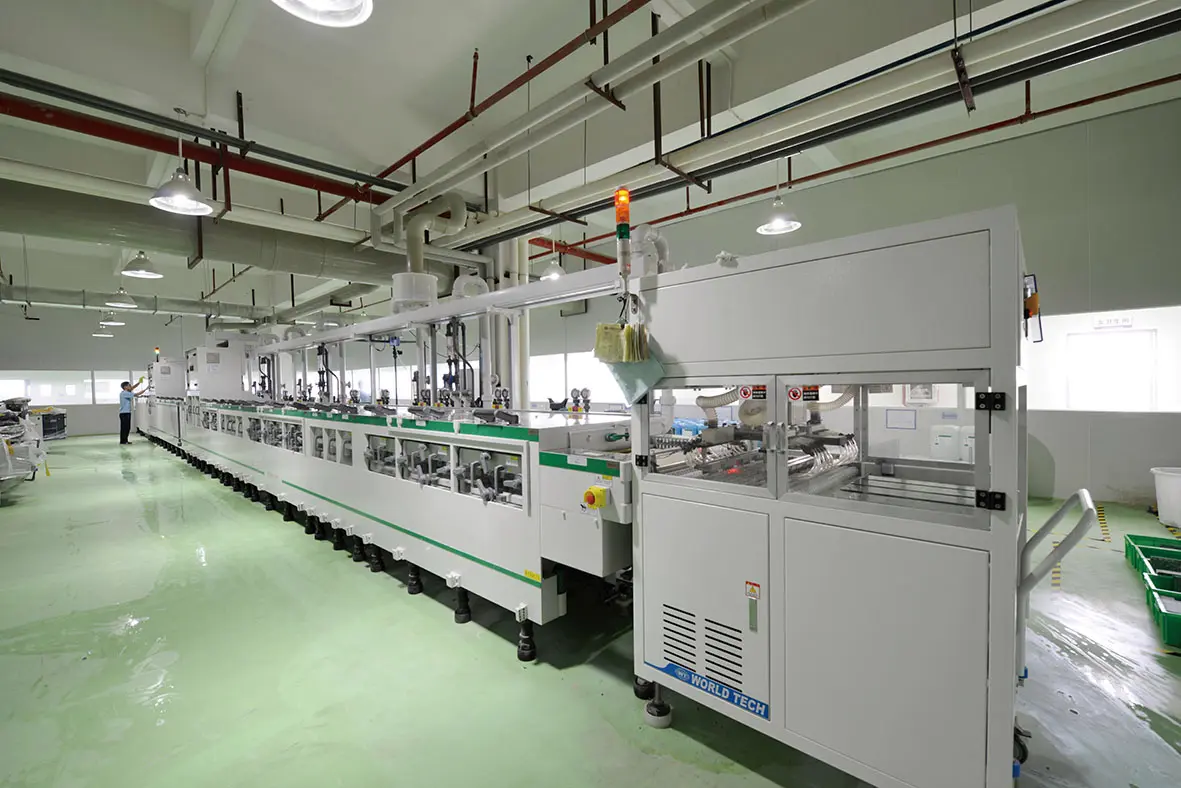
PCB wet processing can place an air knife beside developers, etchants, strippers, desmear chemistry, plating solutions, micro-etches, cleaners, and multiple rinses. TheAir knife may see direct splash at one sta...
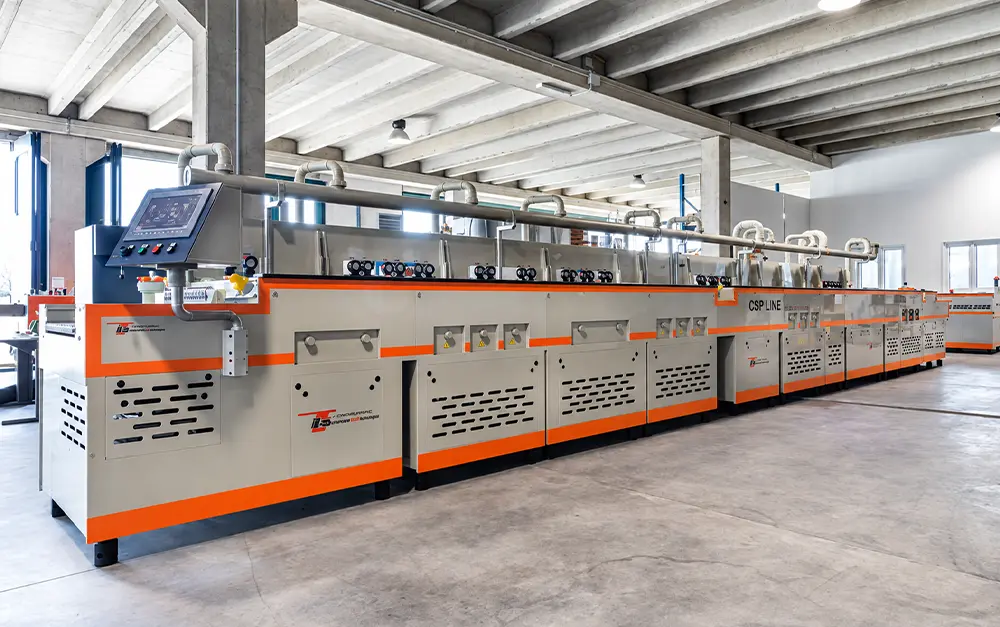
A continuous wet bench is a connected process, not a row of independent tanks. Product speed, spray pressure, roller condition, drain capacity, exhaust, chemistry, and controls all influence what reaches the ai...
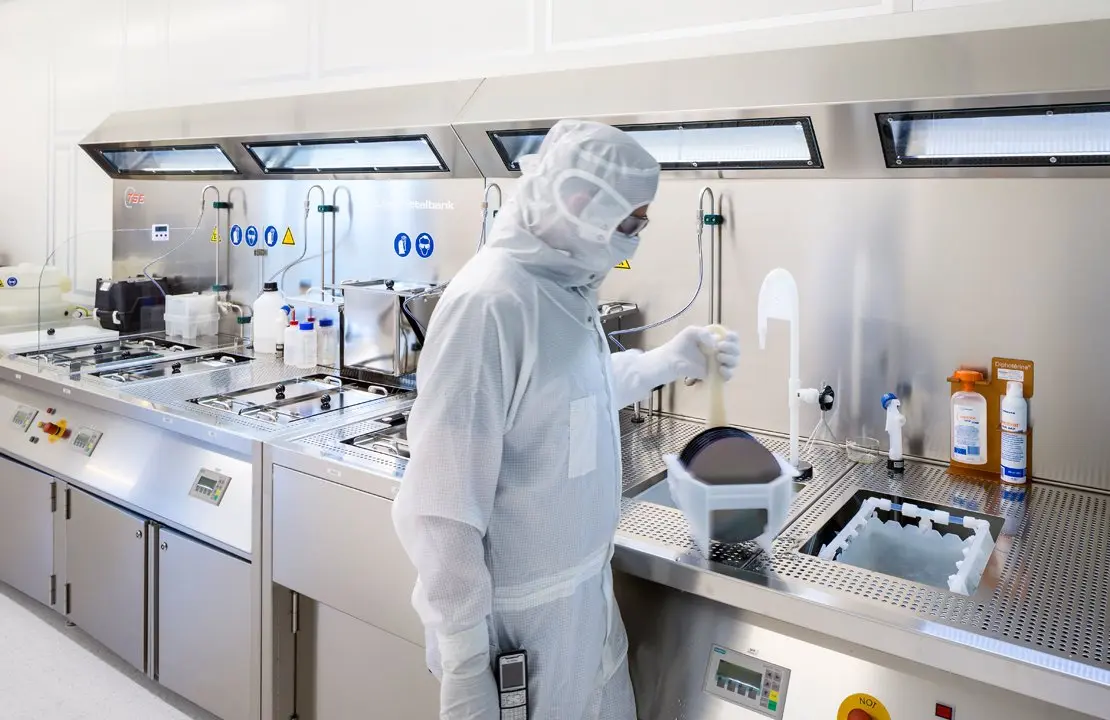
Semiconductor cleaning removes particles, organic material, metals, process chemicals, and other residues from a sensitive surface. Drying is not a separate housekeeping step. It is the final part of that conta...
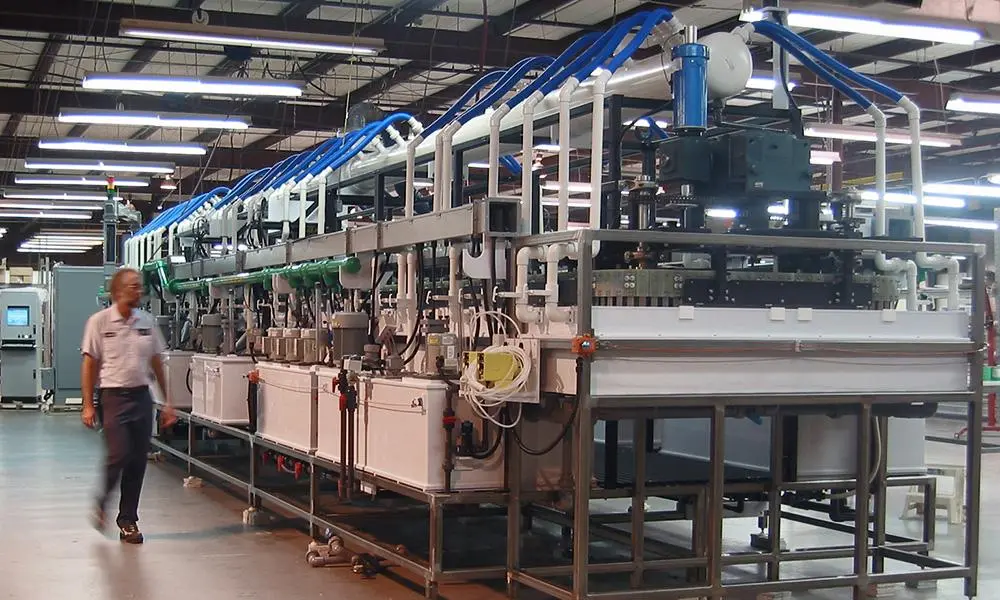
A rigid printed circuit board normally stays flat enough for a fixed Air Knife gap. A flexible printed circuit can lift, flutter, curl, wrinkle, or touch a guide when the same air jet reaches it. That mechanica...

Shenzhen Qixingyuan Machinery Equipment Co., Ltd.
info@airknifecn.com
Building 8, Wanfeng Third Industrial Zone, Xinqiao Street, Bao'an District, Shenzhen, Guangdong, China


